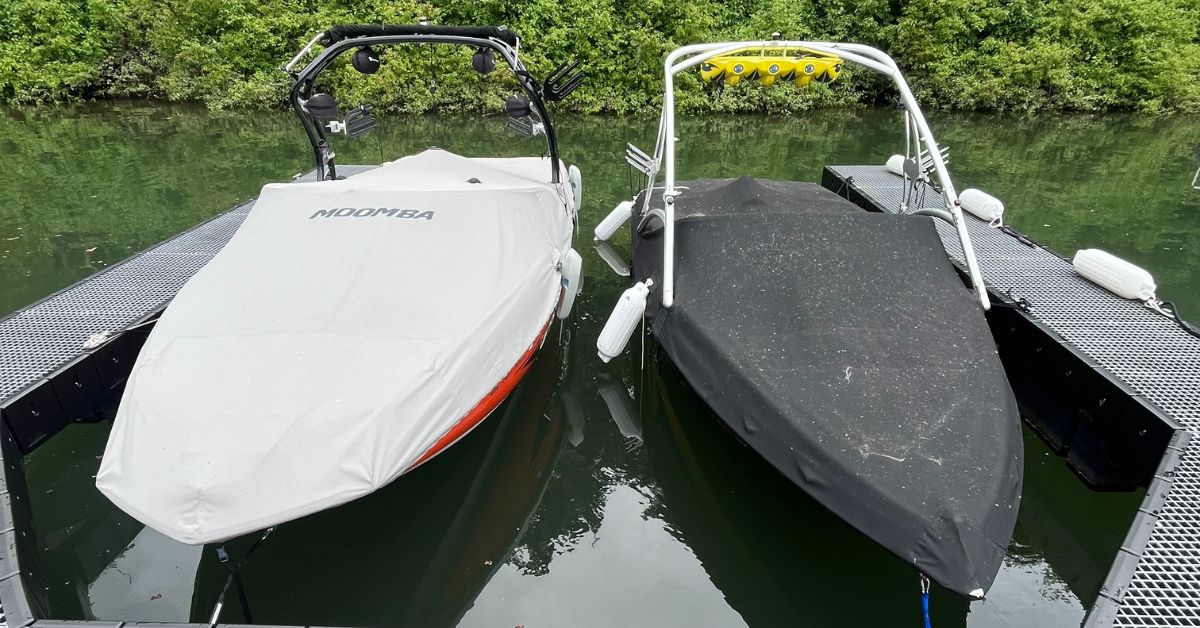
Ensuring your boat is safely secured during a storm is one of the most critical responsibilities of boat ownership. Extreme weather poses a significant risk not only to your vessel but also to the docks, neighboring boats, and the surrounding environment.
Preparing ahead of time, knowing what methods work best, and understanding the risks can save you from expensive repairs and potential danger. Don’t worry; we have many tips for securing your boat on a dock during storms that you can start using ASAP. Here’s how to protect your investment and ensure safety when storms are on the horizon.
Stay updated on the latest weather predictions and pay attention to any changes in the storm’s path. Being informed allows you to make real-time adjustments to your preparations if necessary.
Storms bring a mix of challenges, from strong winds and heavy rain to rising tides and surging waves. These forces can collide to create a storm’s perfect destructive recipe, potentially causing significant damage at marinas and waterfront properties. Securing your boat is not just about preventing it from floating away; it’s also about ensuring that it doesn’t impact other vessels, the dock infrastructure, or any nearby properties.
High winds can rock boats violently against piers, while torrential rain or significant storm surges can submerge a poorly secured vessel. Without proper precautions, the cost of cleaning up after such events can skyrocket—not to mention the emotional toll of losing a prized possession. Preparation is key to reducing these risks.
The right gear makes all the difference when a storm approaches.
A reliable set of dock lines, specifically extra-long and durable ones, is essential to handle shifting water levels and strong currents. Fenders (or bumpers) are also crucial, acting as a buffer between your boat and the dock or other nearby vessels to prevent scratches, dents, and severe damage.
Chafe guards can protect your dock lines from wearing down due to constant rubbing against the boat or dock during the storm. Consider adding storm-rated anchors if you fear your docked location may not withstand the storm.
Additionally, sturdy cleats on your boat are vital for securing the lines properly. Investing in high-quality materials ensures your equipment holds up when it’s needed most.
Using high-quality, durable materials for your boat and dock setup is essential to ensure long-term protection and performance. Invest in marine-grade ropes, fenders, and dock lines specifically designed to withstand harsh weather and heavy loads.
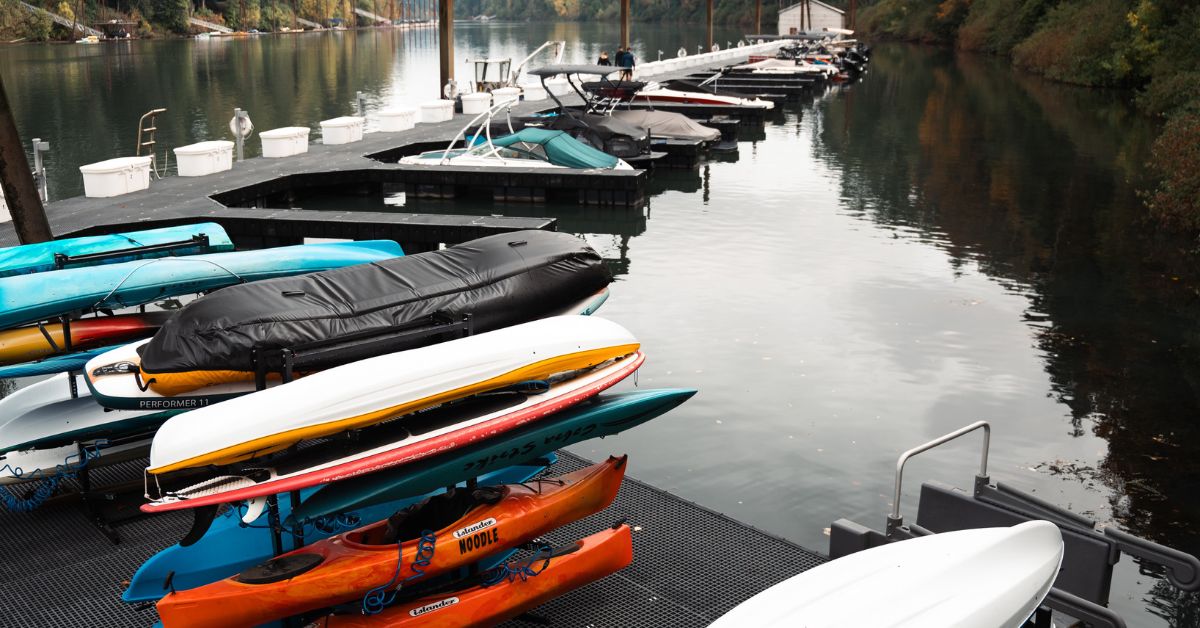
Investing in high-quality materials starts with choosing a durable boat and a robust dock. At KC Marine, our commercial boat docks are strong enough to withstand harsh weather conditions.
Reliable materials not only provide added safety during adverse weather but also reduce the need for frequent replacements and repairs, saving both time and money. By prioritizing quality, you can confidently protect your vessel and extend its lifespan.
Having the right gear is one thing, but using it properly is another. Advanced docking techniques make all the difference in withstanding the storm’s strength. First, double up on your dock lines. Using spring lines in addition to the traditional bow and stern ties disperses the load more evenly, reducing stress on any single line.
Keep in mind that slack is your friend during rising water levels. Allow enough give in your lines to accommodate surges but not so much that the boat might drift out of control. Positioning your vessel slightly away from the dock using fenders ensures that banging and scraping stay minimal. Consider tying your cleats at different angles to spread tension, reducing the chance of a failure in one area.
Storm preparation begins well before any inclement weather alerts appear. Start by decluttering the vessel to remove any loose, unnecessary gear that could become projectiles in the wind. Items like deck chairs, additional ropes, and smaller gear should be safely stored inside.
Check that all plugs are secure to minimize the chance of water infiltration, and inspect your bilge pumps to ensure they’re working correctly.
Assess all lines and equipment for any signs of wear or damage, replacing anything that could compromise your storm prep. Cover any exposed areas of the deck with sturdy tarps to repel heavy rain, particularly on vessels with less shielding.
Remember to monitor weather updates leading up to the storm consistently. That way, you will give yourself adequate time to take all the necessary steps. A rushed preparation can quickly lead to missed essentials.

Another important tip for securing your boat on a dock during storms is to react immediately after the bad weather passes, checking for damage and preparing for the next storm.
Once the storm has ended, taking the time to inspect your boat carefully is critical to identifying and addressing any damage or potential issues promptly. Start by assessing the dock lines for fraying or weakened knots.
Inspect the hull for scrapes, cracks, or any damage from collisions that might have occurred during the storm.
Remove the fenders and thoroughly inspect areas successfully protected by them for any unnoticed impact marks.
Evaluate the deck for pooling water, debris, or damaged fittings. Test your onboard electronics to confirm they’re functioning properly since moisture infiltration can wreak havoc on electrical systems.
Give your boat a thorough cleaning to remove any salt, mud, or storm residue that could lead to long-term wear.
Boat ownership extends far beyond just enjoying sunny days on the water; it requires a commitment to proper care and preparation.
While storms can be unpredictable, the good news is that with the right steps and equipment in place, you can significantly reduce risks and keep your vessel safe from harm. Regularly maintaining your gear, understanding the forces your boat may face, and preparing thoroughly after a storm forecast will preserve both your peace of mind and your boat’s integrity.
Remember, every effort made before and after the storm counts. For dependable marine equipment that ensures the safety and longevity of your vessel, trust only premium, expertly crafted solutions. Take the time to assess your vessel’s condition and implement proactive measures to keep it performing at its best. A well-prepared vessel not only enhances safety but also allows you to fully enjoy your time on the water with confidence.