Finding the ideal location for your boat dock is a crucial decision every boat owner needs to make. Beyond aesthetics, the location of your dock can significantly impact the longevity of your dock, your boating experience, and how conveniently you can access your watercraft.
With so many factors to consider, understanding how to choose the best location for your boat dock is key. Whether you’re a first-time dock owner or looking to relocate your existing one, go into the process aware of everything you need to know to select the perfect location.
Before choosing a location for your boat dock, you need to evaluate the type of water body you’re working with. Is your dock going to sit on a calm, freshwater lake, or will it have to withstand the ebb and flow of a tidal ocean? Understanding water conditions is fundamental because different water bodies can affect the stability and maintenance needs of your dock.
For instance, docks on rivers or oceans, which may experience strong currents and tides, will require sturdy construction and careful positioning to prevent damage. Conversely, docks on calm lakes or ponds are less prone to wear and tear from moving water and may offer more flexibility in terms of design.
If you’re building in a tidal environment, consider the range of the tide. Make sure the dock’s height allows for usability across all tidal levels, and ensure your boat’s safety during extreme low or high tides. Floating docks are often a great option in such cases, as they adapt to the changing water levels.
If the water body has strong currents or frequent high winds, you’ll want to select a location that offers natural protection, such as a cove or sheltered inlet. Building your dock in an exposed area could increase the risk of damage to both your dock and your boat.
The depth of the water where you plan to place your dock is one of the most important factors to consider. Ideally, the location should have enough depth to safely accommodate your boat, even during low water levels. Shallow water can pose challenges, such as exposing the dock structure to excessive wear or creating a risk of your boat hitting the bottom.
Start by measuring the water depth during the lowest water level of the year, such as during a seasonal drought or low tide. Ensure that the water is deep enough to allow your boat to dock and undock smoothly without scraping the bottom. If the water is too shallow, you may need to explore alternative locations or invest in dredging.
The area should be free of obstacles like submerged rocks, tree stumps, or debris, which could damage your dock or boat. Using a depth finder or consulting with local experts can help you identify any potential hazards before committing to a spot.

Practicality plays a big role when choosing the best dock location. Think about how easy it will be to access your dock from land and how convenient it is to launch your boat.
The shoreline where your dock begins should be easily accessible from your home or parking area. The path should be safe and unobstructed, and the ground should be stable enough to support any necessary construction or walking. If the shoreline is steep, muddy, or covered in dense vegetation, you might need to budget for landscaping or additional infrastructure.
If your dock requires electricity or water for lighting, lifts, or cleaning stations, consider the location’s proximity to existing utilities. Installing new utility lines can add significant costs, so choosing a spot close to existing connections can save you time and money.
Building a dock isn’t just about finding the best spot. It also involves adhering to local laws and obtaining the proper permits. Regulations may vary based on your location and the governing body that oversees the water body near your property.
You’ll need to research whether there are restrictions on the size, style, or positioning of your dock. Many areas enforce guidelines to protect wildlife habitats, ensure waterway navigation, or prevent environmental damage. These rules may limit the length of your dock or require specific materials.
Contact your local regulatory authority to inquire about permits needed for dock construction. Prepare to provide specifics regarding the dock’s intended location, size, and materials. Working with a professional contractor familiar with local regulations can streamline this process.
Your dock will alter the natural landscape of the waterbody and surrounding shoreline, so it’s essential to minimize its environmental impact. Many eco-conscious boat owners are now taking extra steps to ensure their docks coexist harmoniously with local flora and fauna.
Avoid placing your dock near areas with a high concentration of aquatic vegetation or wildlife habitats. Certain materials may also leach chemicals into the water, so it may be better to opt for eco-friendly options like composite materials.
Position your dock in a way that doesn’t contribute to shoreline erosion. If erosion is a concern in your selected area, consider adding riprap, vegetation, or retaining walls to protect the shoreline.
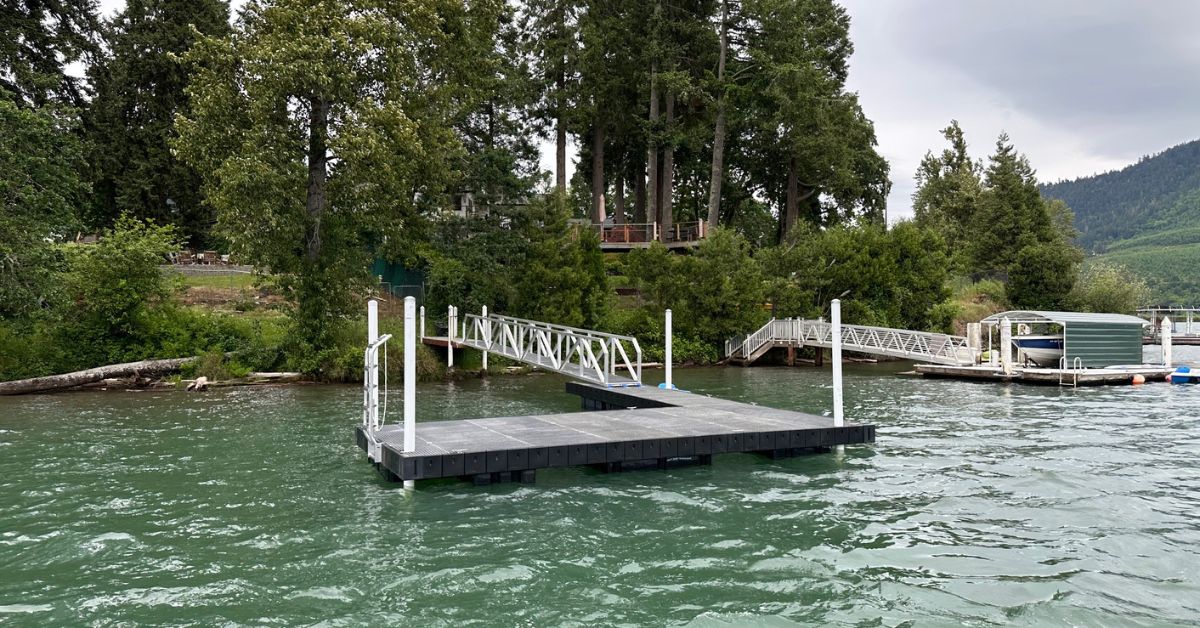
An ideal dock location should not only serve your needs today but also remain functional and durable for years to come. Choosing a location that reduces maintenance efforts will save you time and money in the long run.
Position your dock in a location that doesn’t experience constant exposure to harsh weather conditions. For instance, if your area experiences strong winds, you can place your dock on the leeward side of a natural barrier like an island or cliff to provide some protection.
Depending on the water and weather conditions at your chosen spot, some materials may hold up better than others. Determine which materials are appropriate for your environment so that you can ensure your dock withstands the elements.
A great dock location should also accommodate your evolving boating lifestyle. Are you planning to upgrade to a larger boat in the coming years? Do you want to expand your dock to include a seating area or additional storage? Choose a location that offers your setup enough space to grow and adapt to your future needs.
Choosing the best location for your boat dock involves careful consideration of a variety of factors, from water conditions and depth to accessibility and environmental impact. By assessing your options thoroughly and planning for the long term, you can create a dock that enhances your boating experience and lasts for years.
Remember to consult with local experts and contractors who can provide valuable advice specific to your area. With the right planning and attention to detail, you’ll enjoy a safe, functional, and beautiful dock for many adventures to come.
If you’re looking into a location for your dock or are interested in building one for the first time, we at KC Marine are happy to help streamline the process. As a boat lift supplier, we have the supplies and expertise to make your project as smooth as possible.