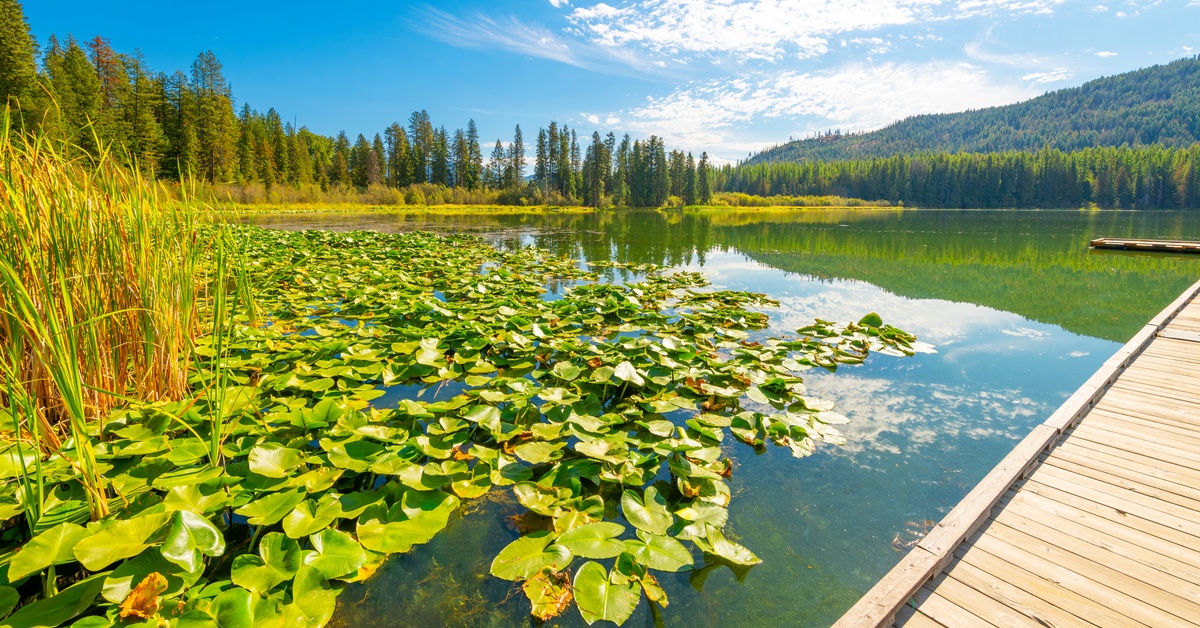
Your boat dock represents more than just a functional waterfront structure—it’s an opportunity to create a stunning landscape that harmonizes with the natural environment while providing lasting beauty and ecological benefits.
When you choose native plants for your dock landscaping, you’re making a decision that benefits both your property and the surrounding ecosystem. These plants have evolved specifically to thrive in your local climate and soil conditions, making them naturally resilient and perfectly suited to the unique challenges of waterfront environments. Unlike non-native species that require extensive care and resources, native plants work with nature rather than against it.
The waterfront environment presents distinct challenges that make plant selection particularly important. Exposure to wind, salt spray, fluctuating water levels, and intense sunlight can stress many conventional landscaping plants. Native species, however, have developed natural adaptations to handle these conditions, creating a more sustainable and visually appealing landscape around your dock.
Follow this guide to learn how to incorporate native plants into your boat dock landscaping.
Your local ecosystem has developed intricate relationships between plants, wildlife, soil, and climate over thousands of years. Native plants form the foundation of these relationships, providing food sources for local wildlife and retaining natural beauty in outdoor spaces.
Native plants offer remarkable advantages for dock landscaping that extend far beyond their natural beauty. These plants have deep root systems that help stabilize shoreline soil, preventing erosion that can damage your dock structure and surrounding property. Their established root networks also filter runoff water naturally, removing pollutants before they reach the water where you dock your boat.
The wildlife benefits of native plant landscaping create a more vibrant and engaging waterfront experience. Local birds, butterflies, and beneficial insects are naturally drawn to native plants, creating opportunities for wildlife observation and photography right from your dock.
These creatures also help control pest populations naturally, reducing the need for chemical interventions that can harm the aquatic environment.
Native plants demonstrate superior drought tolerance and weather resistance compared to non-native alternatives. During dry spells or extreme weather events, these plants continue to thrive with minimal intervention, maintaining the beauty of your dock landscape when other plants might struggle or require extensive watering and care. Don’t hesitate to double-check the instructions from your plant provider; they will typically break down the essentials regarding watering, pruning, and more for your specific plant.
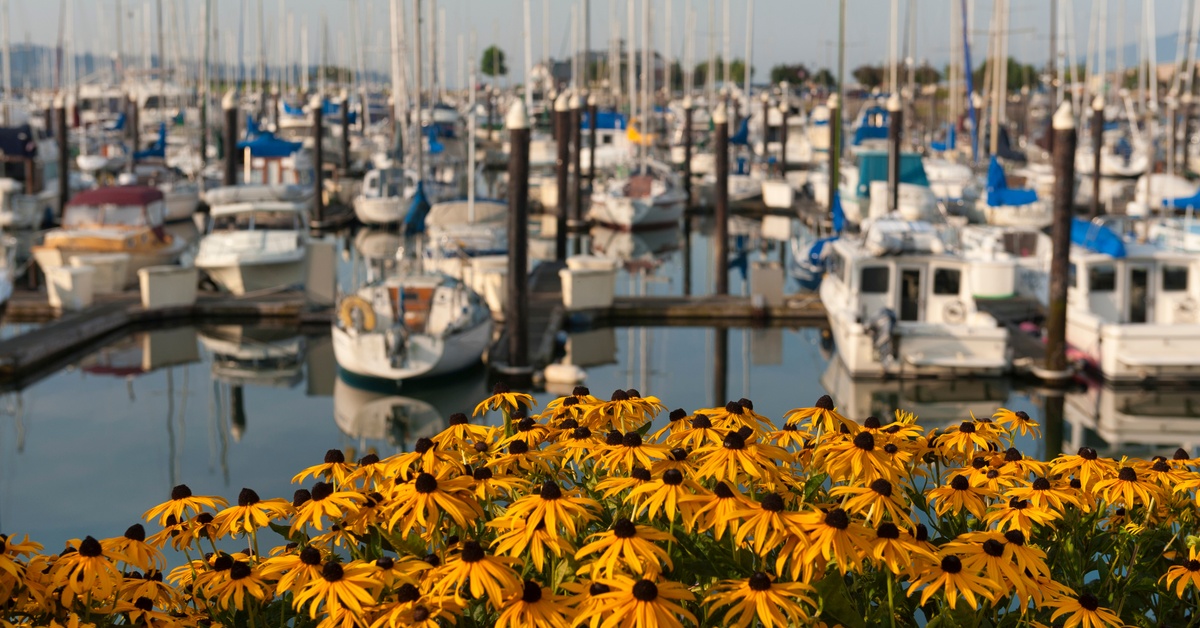
Choosing appropriate native plants for your dock environment requires careful consideration of the specific conditions present at your waterfront location. Waterfront areas typically experience more extreme conditions than inland locations, including higher winds, salt exposure, and varying moisture levels.
Plants that naturally grow near water bodies in your region will typically perform best around your dock. These might include native grasses that can handle occasional flooding, shrubs that tolerate salt spray, and trees that provide windbreaks without creating excessive shade or dropping debris into the water.
Consider the mature size of plants when making selections for dock landscaping. Large trees planted too close to your dock can create problems with falling branches, excessive shade, or root systems that interfere with dock structures.
Smaller native shrubs and perennial plants will typically provide better long-term solutions for immediate dock areas, while you can position larger native trees further back to provide wind protection and visual interest.
Soil conditions around docks can vary significantly based on your specific location and how the area was previously prepared during dock installation. Some areas may have sandy, well-draining soil, while others might have clay or rocky conditions. Native plants adapted to your specific soil type will establish more quickly and require less soil amendment than plants requiring different conditions.
Seasonal interest becomes particularly important for dock landscaping since waterfront areas are focal points for outdoor activities throughout the year. Selecting a mix of native plants that provide flowers, interesting foliage, or attractive seed heads during different seasons ensures your dock area remains visually appealing year-round.
Consider maintenance access when positioning native plants around your dock. While these plants require less maintenance than non-native alternatives, you’ll still need occasional access for pruning, seasonal cleanup, or plant replacement. Design your planting layout to allow easy access without disrupting the overall aesthetic of your landscape.
Remember that docks are available in many different configurations. For example, at KC Marine, we have marina docks for sale that are large enough to suit commercial properties. Whether you have a small dock at home or a large commercial setup, make sure it mixes with your landscaping seamlessly.
Successful establishment of native plants around your dock begins with proper timing and preparation. Spring and fall typically provide the best conditions for planting, as moderate temperatures and increased rainfall help new plants establish strong root systems before facing the stress of summer heat or winter cold.
Soil preparation plays a crucial role in the success of your native plant landscape. While native plants naturally adapt to local soil conditions, the area around your dock may have been disturbed during construction, potentially creating compacted or nutrient-depleted conditions. Gentle soil loosening and the addition of organic matter can help create optimal growing conditions without dramatically altering the soil chemistry that native plants expect.
Regular monitoring during the establishment period allows you to address any issues before they become serious problems. Watch for signs of stress such as wilting, yellowing leaves, or pest damage. Native plants are generally more resistant to local pests and diseases, but newly planted specimens may be more vulnerable until they become fully established.

Incorporating native plants into your boat dock landscaping is an exciting endeavor for sustainable boaters.
Sustainable landscaping practices around your dock help maintain the health of both your plants and the aquatic environment. These practices focus on working with natural processes rather than trying to control them through chemical interventions or intensive management.
Fertilization of native plants should be minimal or completely unnecessary once plants are established. Native plants have evolved to thrive in local soil conditions without additional nutrients, and excessive fertilization can actually harm these plants while contributing to water pollution.
If soil testing indicates serious deficiencies, choose organic amendments that release nutrients slowly and won’t wash into nearby water.
Pest management for native plant landscapes relies primarily on encouraging natural predators and maintaining plant health. Healthy native plants are naturally more resistant to pest problems, and the wildlife attracted to native plants often includes beneficial insects that control harmful pest populations.
Chemical pesticides can disrupt these natural relationships and potentially harm aquatic life near your dock. Although this is typically the case with native plants, you should still consult the plant provider’s recommendations for pest management to avoid overlooking unique requirements for specific products.
Native plant landscaping transforms your boat dock from a simple functional structure into a beautiful, sustainable waterfront oasis that enhances your property value while supporting the local ecosystem.
The natural beauty and ecological benefits of native plants create an environment where you can truly appreciate the connection between your waterfront lifestyle and the natural world.
Start your native plant dock landscape today to begin your sustainable waterfront journey.