Creating a welcoming environment for everyone is a top priority for any commercial waterfront property. An essential part of this is ensuring your boat dock is accessible to individuals with disabilities. An ADA-compliant dock not only meets legal requirements but also opens up your facility to a wider community, allowing more people to enjoy the water.
This guide will walk you through ADA-compliant dock ideas for commercial boat docks.
We will cover the specific requirements, innovative design ideas, and the benefits of making your dock accessible to all. Whether you are building a new dock or upgrading an existing one, you’ll find the information you need to create a safe, inclusive, and compliant waterfront.
The Americans with Disabilities Act (ADA) sets out specific standards for recreational boating facilities to ensure they are accessible.
These guidelines are part of the 2010 ADA Standards for Accessible Design and apply to facilities like boat launches and fishing piers. Understanding these requirements is the first step toward creating a compliant dock.
The number of accessible boat slips required depends on the total number of slips at your facility. The aforementioned 2010 regulations provide a sliding scale; for example, a marina with 26 to 50 slips must have at least two accessible slips.
The goal is to provide individuals with disabilities the same range of choices available to everyone else.
To be fully ADA-compliant, a commercial boat dock must include several key features that ensure safety and accessibility for users with disabilities. These elements make navigation on and around the dock manageable for everyone.
An accessible route is a continuous, unobstructed path connecting all accessible elements of the facility. This path must be at least 36 inches wide.
Gangways, which connect the land to the floating dock, have specific requirements for slope and length.
The slope of a gangway can change with the water level, but it should not exceed 1:12 (a one-inch rise for every 12 inches of length) wherever possible. If the total length of the gangway run is more than 30 feet, landings are necessary for rest.
The entire surface of the dock, gangways, and transition plates must be stable, firm, and slip-resistant. This is crucial for preventing accidents, especially in a wet marine environment.
Openings in the surface, such as gaps between deck boards, cannot be larger than ½ inch.
To prevent mobility devices like wheelchairs from accidentally going over the side, use ADA-compliant edge protection on all accessible routes.
This can be a curb or barrier that is at least 2 inches high. Handrails are also essential on gangways and ramps, providing support for individuals who may need it.
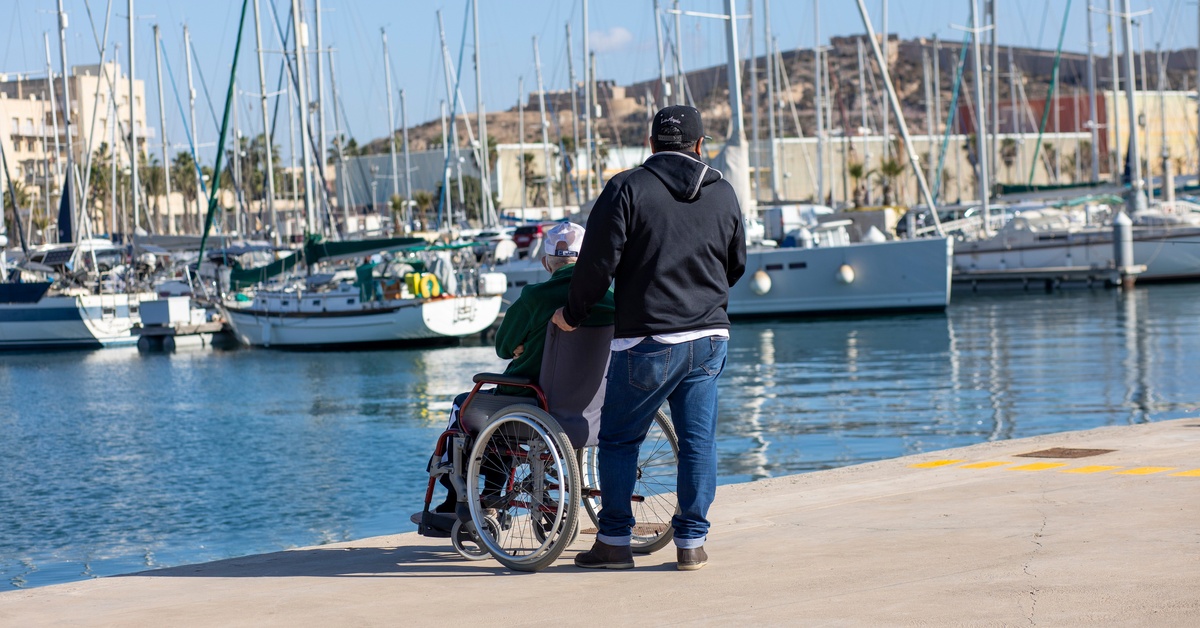
Meeting ADA standards doesn’t mean your dock has to be purely functional. You can incorporate innovative and aesthetically pleasing features that enhance accessibility while adding to the overall appeal of your waterfront.
Let’s dive into some creative ADA-compliant dock ideas for commercial boat docks you can implement now.
Incorporate built-in benches and shaded areas along accessible routes.
This provides comfortable resting spots for all visitors, especially those who may have difficulty standing for long periods. These areas can blend seamlessly with the dock’s overall look with little more than a thoughtful design approach.
Install an adaptive launch system designed for kayaks and canoes. These systems often feature a transfer bench with grab bars and a slide-board mechanism, allowing a person to safely and easily move from their wheelchair into the watercraft.
This simple addition can open up paddling sports to a whole new group of enthusiasts.
Once you find the ideal marine dock for your commercial property, it’s important to know why you should make the effort to maximize accessibility.
Implementing an ADA-compliant design offers significant advantages beyond simply meeting legal obligations. It reflects a commitment to inclusivity and can positively impact your business and community.
An accessible dock expands your customer base by making your facility available to individuals with disabilities, their families, and friends.
This can lead to increased revenue and a stronger reputation within the community. Furthermore, many of the features required for ADA compliance, such as stable surfaces and handrails, improve safety for everyone, reducing the risk of accidents and potential liability.
Prioritizing accessibility demonstrates corporate social responsibility and enhances your brand image as a welcoming and forward-thinking organization.
Upgrading an existing dock to meet ADA standards involves a structured approach. Following these steps can help ensure a smooth and successful project:
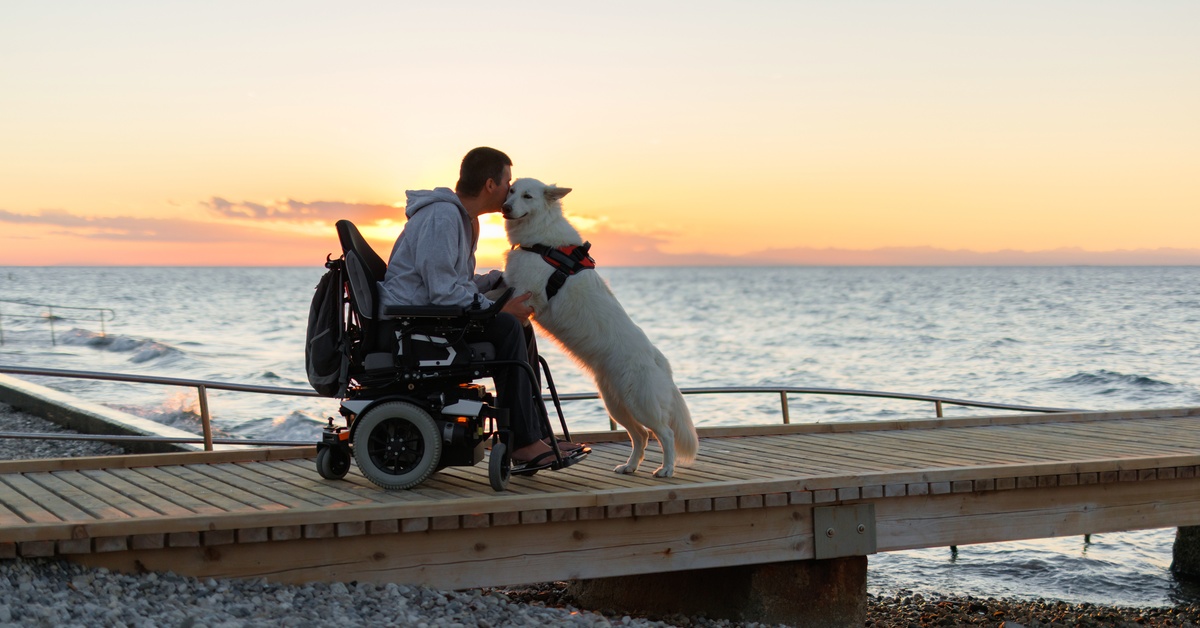
Once your dock is compliant, ongoing maintenance is crucial to ensure it remains safe and accessible for years to come.
Regularly inspect all components, including decking, handrails, and transfer systems, for wear and tear. Keep accessible routes clear of obstructions like equipment, debris, or snow. Ensure that all surfaces remain slip-resistant by cleaning them regularly to prevent the buildup of algae or mildew. By incorporating these tasks into your routine maintenance schedule, you can preserve the accessibility and longevity of your dock.
Building or upgrading a commercial boat dock to be ADA-compliant is a valuable investment.
It ensures you are meeting your legal obligations while creating an inclusive space that everyone in your community can enjoy. By focusing on thoughtful design and proper implementation, you can provide a safe, accessible, and welcoming waterfront experience that will be appreciated for years.
Transform your waterfront into an inclusive area that brings your community together. Reach out today to start your project, and let’s build something extraordinary that everyone can enjoy.