Choosing the perfect dock for your waterfront property is one of the most important decisions you’ll make as a waterfront owner. The right dock transforms your shoreline into a functional hub for boating, fishing, and recreational activities, while the wrong choice might leave you dealing with costly repairs and frustrating limitations.
Two primary options dominate the marine construction landscape: floating docks and fixed docks. Understanding the fundamental differences between these dock types will help you make a decision that serves your property well for years to come. Use this guide to determine whether a floating or fixed dock is the right choice for you.
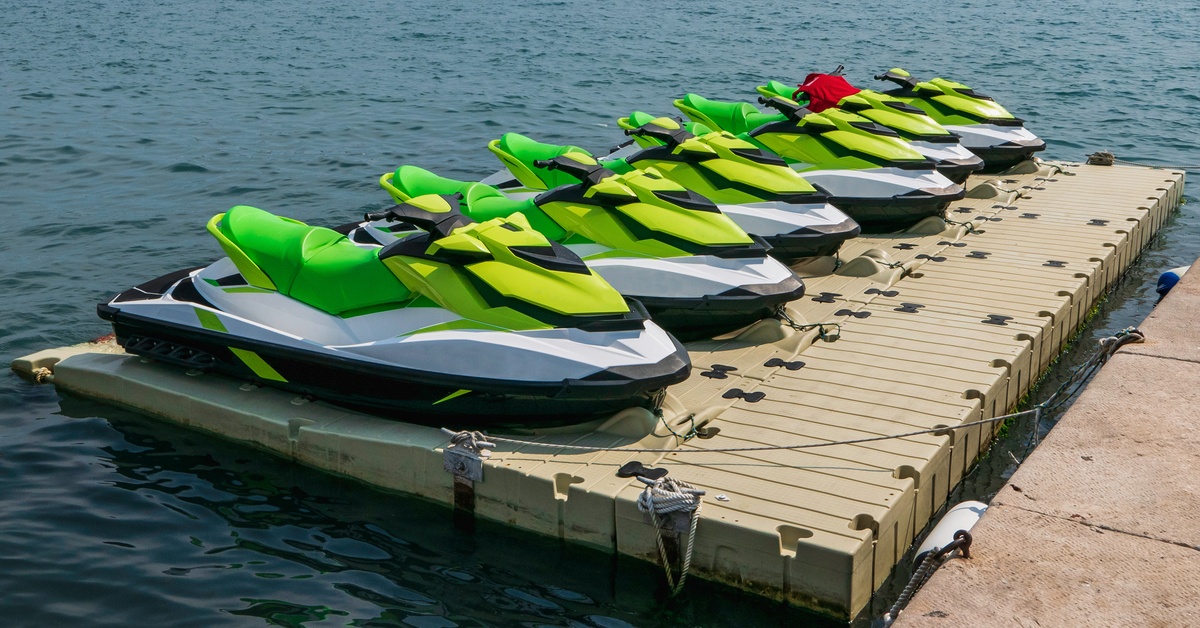
Floating docks represent a versatile and adaptable approach to waterfront access. These systems consist of buoyant sections that rest on the water’s surface, creating a stable and sturdy setup for your waterfront activities.
The principle behind floating docks is simple: they rise and fall with changing water levels. This movement is controlled through pilings that allow vertical motion while preventing the dock from drifting away from shore. The sections can be modular, making it easy to customize the size and shape of your dock system.
Common applications for floating docks include marinas and residential waterfront properties with fluctuating water levels. They work particularly well in deeper water situations where fixed pier construction would be impractical or prohibitively expensive.
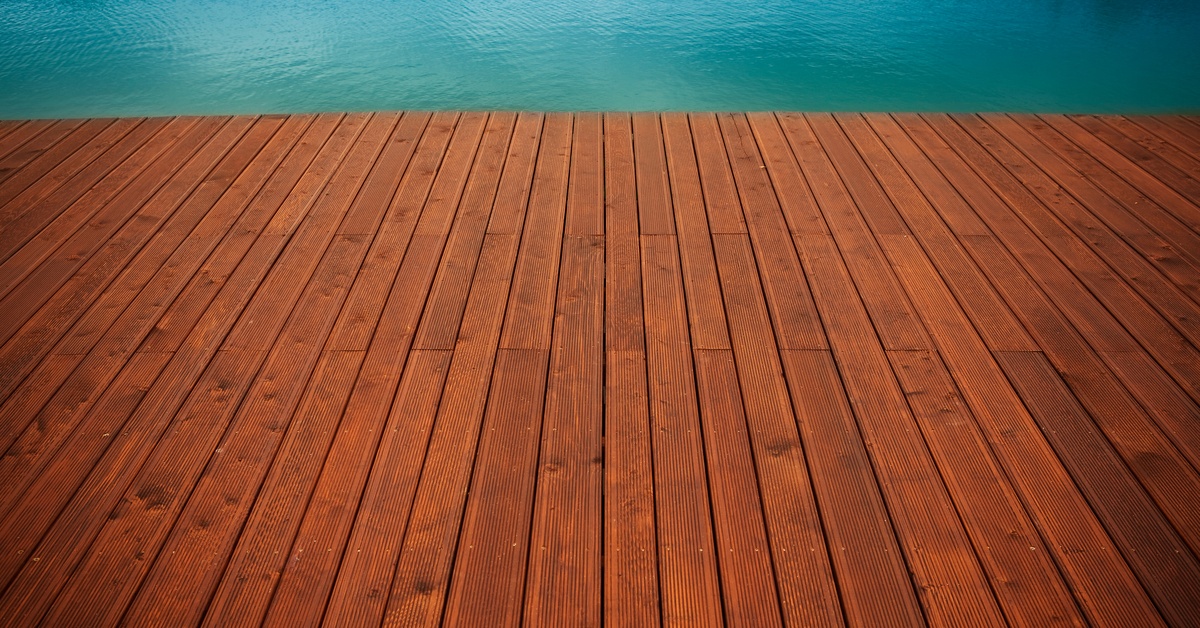
Fixed docks, also known as stationary or permanent piers, are structures you anchor directly to the lake or riverbed through driven pilings, concrete footings, or other permanent foundation systems. These structures remain at a consistent height regardless of water level changes, creating a stable platform that doesn’t move with waves or fluctuating conditions. The decking surface maintains a fixed relationship to the shoreline, making it ideal for consistent access to boats and watercraft.
Fixed docks excel in applications where stability is paramount, such as commercial boat launches and properties with relatively stable water levels. They’re particularly popular in areas with minimal seasonal water fluctuation or where local building codes favor permanent construction methods.
Floating docks offer several compelling advantages that make them attractive for many waterfront applications. Their ability to adapt to changing water levels eliminates concerns about seasonal fluctuations that might leave fixed structures high and dry or underwater during extreme conditions.

Installation flexibility ranks among the most significant benefits of floating docks. They typically require minimal disturbance to the lake or riverbed, making them environmentally friendly and often easier to permit through regulatory agencies. You can typically install these systems without heavy machinery or extensive construction crews.
The modular nature of most floating dock systems provides excellent customization options. Property owners can start with a basic configuration and expand their dock system over time by adding sections, creating T-shaped configurations, or incorporating specialty features such as boat lifts.
Maintenance accessibility is another major advantage. When repairs or seasonal removal become necessary, floating dock sections can often be disconnected and brought to shore for work, eliminating the need for underwater repairs or specialized marine contractors.
Although fixed docks are better suited for heavy-duty add-ons, you can find hydraulic boat hoists that are ideal for floating installations.
Fixed docks provide unmatched stability and load-bearing capacity, which makes them ideal for demanding applications. The solid connection to the lake or riverbed eliminates movement concerns, creating a platform that feels as stable as any ground-based structure.
Heavy-duty applications become practical with fixed dock construction. Boat lifts, storage buildings, gazebos, and other substantial additions can be incorporated with fewer concerns about weight distribution or structural integrity. This makes fixed docks valuable for serious boaters with large watercraft.
Permanence and durability characterize well-built fixed dock systems. Quality construction can provide decades of reliable service with minimal maintenance, making them cost-effective over extended periods.
Professional appearance and property value enhancement often favor fixed dock installations. The substantial nature of permanent dock construction can complement high-end properties and contribute positively to overall real estate values.
Water level variation patterns in your location should guide your decision-making process. Properties with significant seasonal or annual water level changes often benefit from floating dock systems, while stable water conditions favor fixed construction.
Intended usage requirements also play a crucial role in your choice. Light recreational activities such as swimming, fishing, and small boat access work well with either system, while heavy boat lifts, large vessel moorage, and commercial applications typically demand fixed dock stability.
Environmental regulations and permitting requirements vary significantly by location and can strongly influence your options. Some jurisdictions restrict permanent waterbed alterations, making floating docks the only viable choice, while others might have requirements favoring fixed construction.
Floating dock installation typically requires less specialized equipment and can often be accomplished by determined property owners with basic construction skills. Most systems arrive in manageable sections that you can assemble on-site and launch using conventional equipment. Professional installation might still be worthwhile for complex configurations or challenging site conditions, but the flexibility of floating systems often makes DIY installation feasible for basic layouts.
Fixed dock installation almost always requires professional contractors with specialized equipment for piling installation, foundation work, and structural assembly. The complexity of working over and underwater typically puts fixed dock installation beyond the capabilities of most property owners.
Maintenance requirements differ significantly between the two systems. Floating docks benefit from accessible components that you can easily inspect and repair. On the other hand, fixed docks might require underwater inspection and specialized repair techniques for foundation elements.
Comparing floating and fixed docks will help you make the right choice and establish a reliable addition to your waterfront property. Deciding between floating and fixed dock systems ultimately depends on your unique combination of site conditions, usage requirements, and personal preferences. Neither option is universally superior. Success comes from matching the right system to your needs.
Consider starting with a detailed assessment of your waterfront conditions, including seasonal water level patterns, substrate characteristics, and environmental regulations. Consult with local marine construction professionals who understand regional conditions and can provide guidance based on their experience with similar installations.
Remember that dock selection represents a long-term investment in your waterfront lifestyle. Take time to thoroughly evaluate your options, and choose the system that best fits your needs; this decision will provide years of reliable service and enjoyment of your waterfront property.